
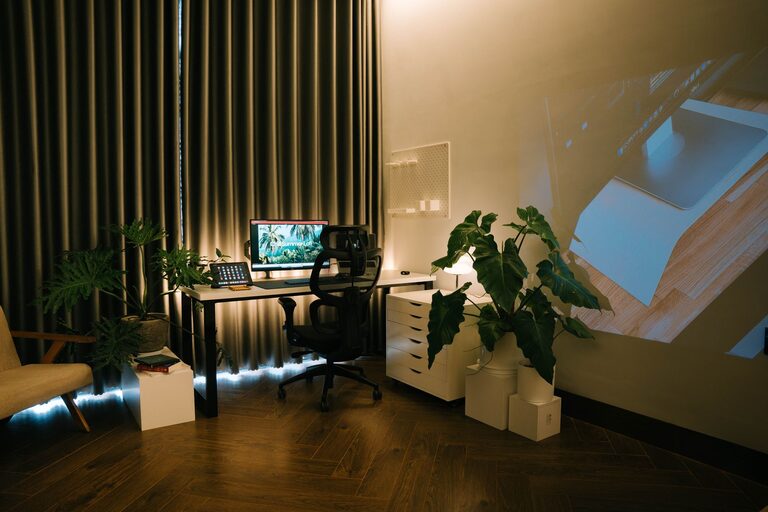
Creating a relaxing home workspace is essential for maintaining focus, reducing stress, and enhancing productivity—especially as more people work remotely. A well-designed workspace supports your mental well-being and helps you stay motivated throughout the day. In this post, we’ll explore practical ways to set up a calming and efficient home office that suits your lifestyle.
Why a Relaxing Workspace Matters
Your environment can significantly impact how you work. A cluttered, noisy, or uncomfortable area can lead to distractions and burnout. Conversely, a relaxing workspace promotes concentration and creativity. It helps establish a clear boundary between work and personal life, making it easier to switch off after hours.
Choosing the Right Location
Find a Quiet Spot
The first step is selecting a location with minimal noise and traffic. This could be a spare room, a corner in the living room, or even a nook near a window. Quietness helps you focus and reduces anxiety during busy workdays.
Consider Natural Light
Natural light positively affects mood and energy levels. Position your desk near a window if possible. If that’s not an option, use soft, adjustable lighting to prevent eye strain and create a warm atmosphere.
Furniture and Ergonomics
Invest in a Comfortable Chair
A supportive chair is crucial for long hours of work. Look for adjustable features like height, lumbar support, and armrests to maintain good posture.
Choose the Right Desk
Your desk should fit your space and work style. It needs to be large enough to accommodate your computer, peripherals, and any essential documents.
Add a Footrest or Standing Option
Alternating between sitting and standing can improve circulation and reduce fatigue. Consider a sit-stand desk or a footrest to enhance comfort.
Organizing Your Workspace
Declutter Regularly
Keep your desk tidy by removing unnecessary items. Use drawers, shelves, or organizers to store supplies and keep the surface clear.
Use Storage Solutions
Bins, baskets, and filing systems help maintain order. Labeling storage containers ensures that everything has its place, saving time when you need to find something.
Cable Management
Messy cables create visual clutter and can be hazardous. Use clips, ties, or cable boxes to keep wires neat.
Adding Personal and Relaxing Touches
Incorporate Plants
Plants not only improve air quality but also create a soothing environment. Easy-care plants like succulents or pothos are great for busy individuals.
Choose Calming Colors
Soft, neutral tones such as light blues, greens, or grays evoke calmness. You can incorporate these colors in wall paint, furniture, or accessories.
Use Art and Decor Wisely
Decorate with meaningful art or inspirational quotes that motivate you. Avoid overcrowding the space to maintain a sense of calm.
Managing Technology and Distractions
Use Noise-Cancelling Headphones
If background noise is an issue, noise-cancelling headphones can help you stay focused.
Minimize Notifications
Turn off non-essential notifications on your devices to avoid interruptions.
Set Boundaries
Communicate your work hours to family or housemates to reduce distractions.
Creating a Routine for Relaxation
Take Regular Breaks
Stand up, stretch, or walk around every hour to refresh your mind.
Practice Mindfulness
Incorporate short mindfulness exercises or deep breathing to reduce stress during work.
Keep Hydrated and Snack Wisely
Having a water bottle and healthy snacks nearby supports energy and concentration.
Conclusion
Designing a relaxing home workspace involves thoughtful choices about location, furniture, organization, and decoration. By creating an environment that supports comfort and focus, you set yourself up for productive and enjoyable workdays. Remember to personalize your space and make adjustments as your needs change. A relaxing workspace is not just about aesthetics—it’s about creating a balance that nurtures both your work and well-being.