
Reducing food waste at home is an excellent way to save money, conserve resources, and protect the environment. Each year, millions of pounds of food end up in landfills, contributing to greenhouse gas emissions and wasting the effort that goes into producing it. The good news is that small changes in how we shop, store, and use food can make a big difference. In this post, we will explore practical tips to reduce food waste in your daily life.
Why Reducing Food Waste Matters
Before diving into strategies, it’s helpful to understand why reducing food waste is important. Food production requires water, energy, labor, and land. When food is wasted, all these inputs are also wasted, adding unnecessary pressure on the environment. Additionally, food waste in landfills breaks down and emits methane, a potent greenhouse gas. By reducing waste, you not only help the planet but also stretch your food budget further.
Planning and Shopping Smartly
One of the most effective places to start reducing food waste is in the planning and shopping phase.
Make a Meal Plan
Planning meals for the week helps you buy only what you need. Consider what you and your family enjoy eating, what ingredients you already have, and balance meals to use similar ingredients. This reduces the chance of buying excess food that might spoil.
Create a Shopping List
Stick to a written list based on your meal plan. Avoid impulse buys, especially perishable items. This keeps your purchases focused and reduces the risk of food going unused.
Buy in Appropriate Quantities
Avoid bulk buying unless you are certain you can use the food before it spoils. For fresh produce, buying smaller amounts more frequently can be better than buying large quantities at once.
Proper Storage Techniques
How you store food greatly affects how long it stays fresh.
Know Your Produce
Some fruits and vegetables ripen better at room temperature (bananas, tomatoes), while others last longer in the fridge (carrots, leafy greens). Learn the best storage methods for common foods to extend their shelf life.
Use Airtight Containers
Store leftovers and opened products in airtight containers to preserve freshness and prevent odors from spreading in the fridge.
Keep Your Fridge Organized
Place older items in front so they get used first. A clean and organized fridge helps prevent food from being forgotten and wasted.
Use Your Freezer
Many foods can be frozen to extend their life. Bread, meat, fruits, and even some cooked dishes freeze well. Label items with dates so you use them in time.
Smart Cooking and Portion Control
Preparing food carefully can also reduce waste.
Cook Only What You Need
Avoid making large portions unless you plan to eat the leftovers. Measuring ingredients carefully and cooking appropriate serving sizes helps prevent uneaten food.
Use Leftovers Creatively
Leftover ingredients and meals can be turned into new dishes. For example, stale bread can become breadcrumbs or croutons, and vegetable scraps can be used to make stock.
Practice FIFO (First In, First Out)
When cooking or serving food, use the oldest ingredients first to minimize spoilage.
Managing Leftovers and Composting
Store Leftovers Properly
Cool leftovers quickly and store them in clear containers to remind you to eat them soon.
Label and Date Leftovers
Labeling containers with the date helps you track how long food has been stored and when it should be eaten or discarded.
Share or Donate Excess Food
If you have surplus food that is still safe to eat, consider sharing with friends, family, or local food banks.
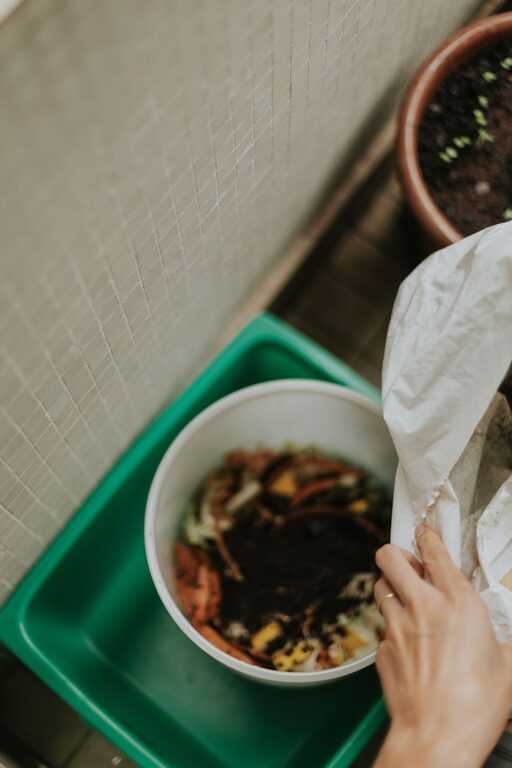
Compost Food Scraps
For unavoidable waste such as peels, eggshells, or spoiled food, composting is a great option. Composting reduces landfill waste and produces nutrient-rich soil for gardening.
Educate and Involve Your Household
Reducing food waste is easier when everyone participates.
Communicate with Family or Housemates
Discuss food preferences and waste reduction goals. This helps coordinate shopping, cooking, and leftover use.
Encourage Mindful Eating Habits
Serve reasonable portions and encourage finishing meals. This reduces plate waste.
Teach Kids About Food Waste
Involving children with age-appropriate information about food waste builds awareness and helps create good habits early on.
Conclusion
Reducing food waste at home is achievable with simple, everyday actions. By planning meals carefully, storing food properly, cooking thoughtfully, and managing leftovers wisely, you can significantly cut down on waste. These efforts save money, reduce environmental impact, and contribute to a more sustainable lifestyle. Start with one or two changes today and build from there—small steps add up to meaningful results.